In short
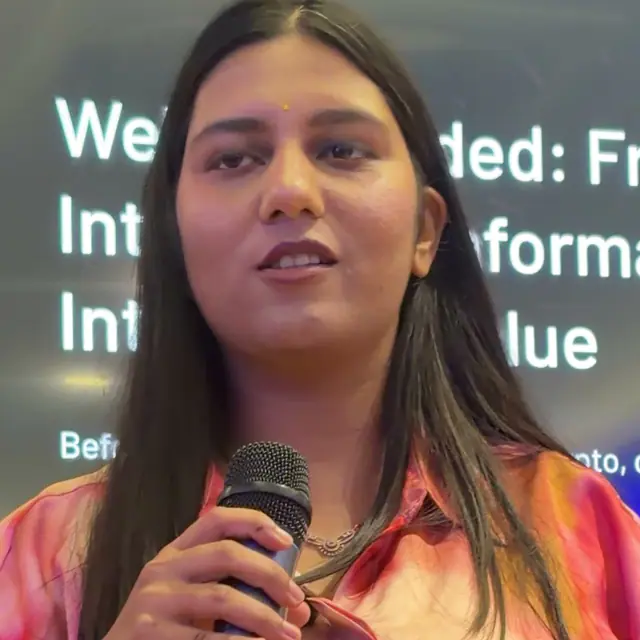
The PR workshop for Web3 founders is practical crypto PR training for founders and operators: how to earn coverage in CoinDesk, Cointelegraph, The Block, Decrypt and Blockworks, run TGE, mainnet and listing comms without price talk, use KOLs alongside earned press, and handle a crisis. It runs as a one-hour masterclass, a three-day workshop or a six-module course.
Which format fits: masterclass, workshop or course?
| Format | Length | Best for | Participants leave with |
|---|---|---|---|
| One-hour masterclass | 60 minutes | Guest lectures, conference sessions, team lunch-and-learns, accelerator demo weeks. | A 15-slide framework and a one-page plan. |
| Three-day workshop | 3 days, about 6 hours a day | Accelerator cohorts, leadership offsites, university immersion weeks, in-house comms teams. | A holding statement template, a recorded mock interview with notes, and a 90-day PR plan. |
| Multi-module course | 6 modules, usually one a week | Semester electives, cohort programs, founders who want to run their own PR after the course. | A launch comms pack for a real upcoming milestone: one-line angle, approved and banned message list, 25-name media list, launch timeline, release, three sent pitches, KOL brief with disclosure, and a holding statement. Shilika reviews each pack line by line. |
What will participants be able to do?
- Tell earned, sponsored and paid crypto coverage apart, and spend money only where it does a job earned press can't.
- Build a crypto media list of 25 reporters at CoinDesk, Cointelegraph, The Block, Decrypt, Blockworks and your trade outlets, from their bylines.
- Frame a mainnet, raise or TGE around one angle reporters already cover, the way RARI used royalties and MANTRA used RWA.
- Write launch copy and founder quotes with no price talk, no return promises and claims your legal reviewer can sign off.
- Sequence KOL posts and earned press so each one does its own job in a launch week.
- Put out a holding statement within the first hour of an exploit, outage or depeg, and answer an investigative reporter on time.
Why learn this from Shilika Jain?
- Ran a PR workshop for PayFi and tokenisation founders at the XRPL Labs Accelerator with Tenity in July 2025.
- Taught "Mastering the ABCs of Web3 PR" at India Blockchain Week 2024 and a PR workshop in the Myosin Learns series in July 2024.
- Framed the RARI Chain mainnet around NFT royalties in January 2024. It ran in CoinDesk, The Block and Cointelegraph the same week.
- Pitched MANTRA Chain's $11M raise with an RWA and Middle East angle for CoinDesk in March 2024, plus a Cointelegraph CEO interview.
- Leads APAC PR and partnerships at Myosin, after about 1.5 years as APAC lead for partnerships and PR at CoinMarketCap.
Most crypto founders confuse a press release with PR.
Format 1 · 60 minutes
One-hour masterclass: the slide-by-slide outline
One deck for a room of crypto founders with a launch coming up. It covers what crypto reporters run, how to frame a mainnet, raise, TGE or listing, what never goes in a quote, and what to do in the first hour when something breaks. People leave with a one-page launch comms plan.
Format 2 · 3 days
Three-day workshop: the day-by-day agenda
Three days for crypto founding teams heading into a mainnet, raise, TGE or listing. They leave with a narrative, a compliance-checked message list, a media list, a launch timeline, a release draft and a crisis kit. It draws on the PR workshop for the XRPL Labs Accelerator with Tenity and the "Mastering the ABCs of Web3 PR" session at India Blockchain Week 2024.
Day 1: Narrative, compliance and the crypto media map
| Time | Session |
|---|---|
| 09:30 to 11:00 | How crypto newsrooms decide. What a crypto editor runs and ignores, why wire releases mostly land on syndication sites, and how to tell earned coverage from a sponsored post that only looks like it. |
| 11:15 to 12:45 | One angle for your launch. Each team finds the one word reporters already cover that fits its story, using RARI's royalties and MANTRA's RWA plus Middle East framing as the models. |
| 13:45 to 15:15 | Compliance-aware messaging. Teams write their core messages, then strip every line that touches price, returns or investment language. They finish with an approved phrase list and a banned phrase list their legal reviewer can check. |
| 15:30 to 17:00 | Byline research across crypto media. Use site search on CoinDesk, Cointelegraph, The Block, Decrypt and Blockworks, plus two trade outlets, to find who covered your category in the last 90 days. |
End of day 1: A one-page narrative with a single angle, an approved and banned message list, and a 25-name media list from bylines.
Day 2: Launch comms: mainnet, raise, TGE and listings
| Time | Session |
|---|---|
| 09:30 to 11:00 | The launch timeline. Map six weeks before launch to 30 days after: embargoed briefings, the release, founder interviews, community posts and the first follow-up story. |
| 11:15 to 12:45 | Funding and mainnet release clinic. Write the release for your next milestone with the news in the first paragraph and a founder quote that says something about the problem, not the token. |
| 13:45 to 15:15 | TGE and exchange listing news. Decide what is a press story and what is a community post. Pair a listing or TGE with a product milestone or usage data, or keep it in your own channels. |
| 15:30 to 17:00 | KOLs and earned press in one plan. Place the KOL wave after the earned story is live, brief KOLs on the same approved messages, and check that every paid post carries a disclosure. |
End of day 2: A launch comms timeline, a press release draft and three pitches under 150 words for named reporters.
Day 3: Founder voice, crisis and APAC
| Time | Session |
|---|---|
| 09:30 to 11:00 | Commentary between launches. Using Magna's Worldcoin comment in Decrypt and Fluence's Microsoft outage piece in e27, each founder writes a 100-word comment on this week's crypto news. |
| 11:15 to 12:45 | The hard-questions interview. Ten-minute mock interviews on the questions crypto reporters actually ask: team wallets, vesting schedules, a past exploit, regulators. Recorded and reviewed. |
| 13:45 to 15:15 | Crisis drill. A live scenario, an exploit or a depeg, run against the clock. Teams draft a holding statement in 30 minutes, then the update and the reply to an investigative reporter. |
| 15:30 to 17:00 | APAC and the 90-day plan. Where Korea, Japan and Chinese-language crypto media fit your plan, which outlets and channels matter there, then three stories mapped onto the next quarter. |
End of day 3: A holding statement template, a recorded mock interview with notes, and a 90-day PR plan.
Format 3 · 6 modules
Six-module course: decks, activities and quizzes
Six modules for crypto founders who want to run their own PR. Each module has its own deck, a hands-on activity on the founder's real project and a three-question quiz. The capstone is a launch comms pack for an upcoming milestone.
Cadence: 6 weekly modules. 90 minutes live, plus about 2 hours of activity work per week.
Module 1: Crypto PR is not a press release
Deck 1: Earned, sponsored, paid and KOL coverage in crypto
How crypto media works, what each channel buys you, and why a distributed release rarely becomes coverage. Covers the main outlets and how to read their beats.
Activity: Collect the last 15 stories about projects in your category. Mark each as earned, sponsored or paid, and note the outlet, the reporter and the angle.
Quiz
1. Your TGE is in three weeks and the budget covers one of these. Which does the most for earned coverage?
Show answer
B. Embargoed briefings with five reporters who cover your category Reporters who already cover the category can choose to write the story. Wire pickups, banners and KOL posts are distribution, not editorial interest.
2. Bullieverse's $4M raise ran in Economic Times, Inc42 and YourStory, and the team also paid for a CoinDesk piece. How should the investor update list the CoinDesk piece?
Show answer
A. As sponsored content, labelled as such Sponsored content is legitimate when it's labelled. Calling it earned misleads investors and burns trust with reporters.
3. Which channel is best at building a public record that investors and AI search find months later?
Show answer
C. An earned story in a crypto outlet Earned coverage stays indexed and gets cited. Social posts fade within days.
Module 2: Narrative and compliance-aware messaging
Deck 2: One angle, approved phrases and banned phrases
Finding the one angle reporters already cover, writing three supporting messages, and removing anything that sounds like price talk or a promise of returns.
Activity: Write your one-line angle and three messages. Then run every sentence on your site and pitch deck through a banned phrase list and rewrite what fails.
Quiz
1. A reporter asks your founder where the token will trade in six months. What is the right answer?
Show answer
D. Decline to discuss price and talk about network usage Spokespeople don't comment on price. Steering to usage keeps the founder quotable and keeps the project out of regulatory trouble.
2. Which description of a token is safest in a press release?
Show answer
A. The asset used to pay for and secure the network Describing what the token does on the network is factual. Investment language invites regulatory and reputational risk.
3. Why did MANTRA's raise carry further than a plain funding headline?
Show answer
C. It paired the raise with RWA and a Middle East angle Reporters were already covering RWA and the Middle East. The angle gave the number a story to sit in.
Module 3: Launch comms for mainnet, raise and TGE
Deck 3: The launch timeline and the release
Building a timeline from six weeks out to 30 days after, deciding who gets an embargoed briefing, and writing a release that leads with the product, not the token.
Activity: Build a launch timeline for your next milestone and write the release. Cut it by a third and check the first paragraph stands on its own.
Quiz
1. Your L2 mainnet goes live the same week as three other chains. Which framing gives a CoinDesk reporter a reason to pick yours?
Show answer
A. One problem you solve that their beat already covers, as RARI did with NFT royalties A launch that fits an existing beat gets a slot. Speed and feature claims compete with every other chain announcing that week.
2. What should lead a TGE press release?
Show answer
D. What the network does and who is using it Reporters cover products and people. The token is context, and leading with price invites the wrong headline.
3. You want one tier-1 outlet to break your mainnet news. What do you do with the public release?
Show answer
B. Hold it until the exclusive is live An exclusive only works if nobody else has the news. Release publicly once the first story runs.
Module 4: Exchange listings, KOLs and earned press
Deck 4: What is press news, what is community news
Why a listing alone rarely interests reporters, how to pair it with real news, and how to run a KOL wave next to earned press with clear disclosure.
Activity: Take your last three announcements and sort each into press story or community post. Draft a KOL brief that uses your approved messages and a disclosure line.
Quiz
1. Your token lists on a mid-tier exchange. Where does this news belong first?
Show answer
C. Your community channels and the exchange announcement A listing matters most to holders. It becomes a press story only when it comes with a market first or a product milestone.
2. When should the KOL wave go out in a launch week?
Show answer
A. After the earned story is live KOLs can point to the coverage and the product. Going early leaks the news and leaves reporters nothing to break.
3. A KOL posts about your launch after being paid. What has to be true?
Show answer
D. The post carries a clear paid disclosure Undisclosed paid promotion misleads readers and undercuts the trust your earned coverage builds.
Module 5: Founder voice and commentary
Deck 5: Op-eds, newsjacking and interviews
How founders get quoted between launches: reacting to the week's crypto news with a useful view, writing op-eds, and preparing for the questions crypto reporters always ask.
Activity: Pick one live crypto story this week and write a 100-word comment you could send a reporter today. Record a ten-minute mock interview on team wallets, vesting and regulation.
Quiz
1. Magna had no launch to announce. How did it get into Decrypt?
Show answer
D. Expert commentary on the Worldcoin launch Commenting on a trending launch gave a B2B infra brand a reason to be quoted without news of its own.
2. A huge non-crypto outage dominates the news. What should a DePIN founder send reporters?
Show answer
C. A short comment on why decentralized infrastructure matters, with one fact Fluence did this with the Microsoft outage and ran in e27. Live news gives a quiet project a reason to be quoted outside crypto media.
3. Which op-ed pitch is strongest for a crypto opinion section?
Show answer
A. A sharp argument about where a category is going, backed by evidence Opinion editors want an argument their readers can disagree with. A product pitch dressed as an op-ed gets rejected.
Module 6: Crisis comms and APAC
Deck 6: The first hour, the investigative reporter and regional media
What to say in the first hour of an exploit, outage or depeg, how to answer an investigative reporter, and how APAC crypto media differs from English-language outlets.
Activity: Write a holding statement template and a reply plan for a reporter with specific questions. Map which Korean, Japanese or Chinese-language outlets fit your next story.
Quiz
1. Your bridge is exploited at 2am. What goes out first?
Show answer
B. A short holding statement: what you know, what you are doing, when you will update A holding statement buys time and shows control. A post-mortem comes later, once the facts are confirmed.
2. An investigative reporter emails three times with specific questions about team wallets. What do you do?
Show answer
D. Answer factually and soon, through one spokesperson Repeated specific questions mean the story is coming. Answering early gets your facts into it.
3. Which plan reaches Korean crypto readers best?
Show answer
A. Pitch Naver-syndicated outlets like Hankyung and Telegram-driven apps like CoinNess Korean reach comes from mainstream outlets syndicated on Naver plus Telegram-driven crypto news apps, not from a translated release.
Capstone: A launch comms pack for a real upcoming milestone: one-line angle, approved and banned message list, 25-name media list, launch timeline, release, three sent pitches, KOL brief with disclosure, and a holding statement. Shilika reviews each pack line by line.
How does it change for students, C-suite and operators?
For students
For students in blockchain, business or journalism programs the workshop uses public cases (RARI, MANTRA, Fluence, Magna) instead of their own project. The capstone is a launch comms pack for a real Web3 project they choose.
For c-suite
For CEOs and spokespeople the outreach work shrinks and the hard-questions interview, no-price-talk rules and crisis drill grow. The prep draws on founder interview work for Fluence and MANTRA and on interviewing founders for CryptoDaily UK.
For founders & operators
For founders and first comms hires every exercise uses their own project, roadmap and target outlets. They leave with a launch timeline, pitches sent and a holding statement ready before anything breaks.
Frequently asked questions
What does a PR workshop for Web3 founders cover?
Earned versus sponsored and paid crypto coverage, the crypto media map, framing a mainnet, raise, TGE or listing, messaging with no price talk, KOLs alongside earned press, crisis comms and APAC media.
How is this different from a general founder PR course?
It deals with crypto problems: token language, exchange listings, KOL disclosure, exploits and depegs, and crypto-native outlets. The founder PR course covers positioning and outreach for any startup.
Can a PR workshop help us prepare for a TGE or mainnet launch?
Yes. Day 2 is built around launch comms. Teams leave with a timeline from six weeks out to 30 days after, a release draft and pitches for named reporters.
Will the workshop get our project into CoinDesk or The Block?
No workshop can promise coverage honestly. It teaches teams to earn it and ends with pitches sent. Placement depends on the news and the timing.
Is the Web3 PR workshop online or in person?
Both. The one-hour masterclass and six-module course run well online. The three-day workshop works best in person, inside an accelerator cohort or a team offsite.
How much does a crypto PR workshop cost?
Pricing is quoted per cohort, based on format, group size and location. Student and non-profit sessions are often considered pro bono. Book a call to scope it.
Where has Shilika taught and spoken?
- Aug 2026: Spoke to students at SJCC, Bengaluru, on Web3 and blockchain.
- May 2026: Judged a Stellar founder cohort run by Myosin and advised founders on PR strategy.
- Jul 2025: Ran a PR workshop for the XRPL Labs Accelerator with Tenity, for PayFi and tokenisation founders.
- Jan 2025: Invited to speak at an IIT event.
- Dec 2024: Moderated the PR panel at India Blockchain Week.
- Dec 2024: Spoke on "Mastering the ABCs of Web3 PR" at India Blockchain Week 2024.
Related reading and other programs
Book this program
Run it for your cohort, class or team.
Pick a format, share the group size and dates, and Shilika will tailor the decks, exercises and quizzes. Pricing is quoted per cohort. Student and non-profit sessions are often considered pro bono.
Book a 30-min scoping call