
On this page7
- Why the Dual-Audience Problem Is Getting Worse
- The Editorial Difference: What Each Beat Actually Wants
- The Pitch Architecture: Building Two Narratives That Converge
- Sequencing: From Testnet to Token Launch
- Reactive Commentary: The Fastest Path to Both Desks
- What the Survivors Are Doing Differently
- The Practical Checklist
Web3 GameFi PR Playbook: How to Pitch Decrypt, IGN, and Polygon in the Same Week
The hardest PR problem in Web3 right now isn't getting attention. It's getting the right attention in the right rooms simultaneously.
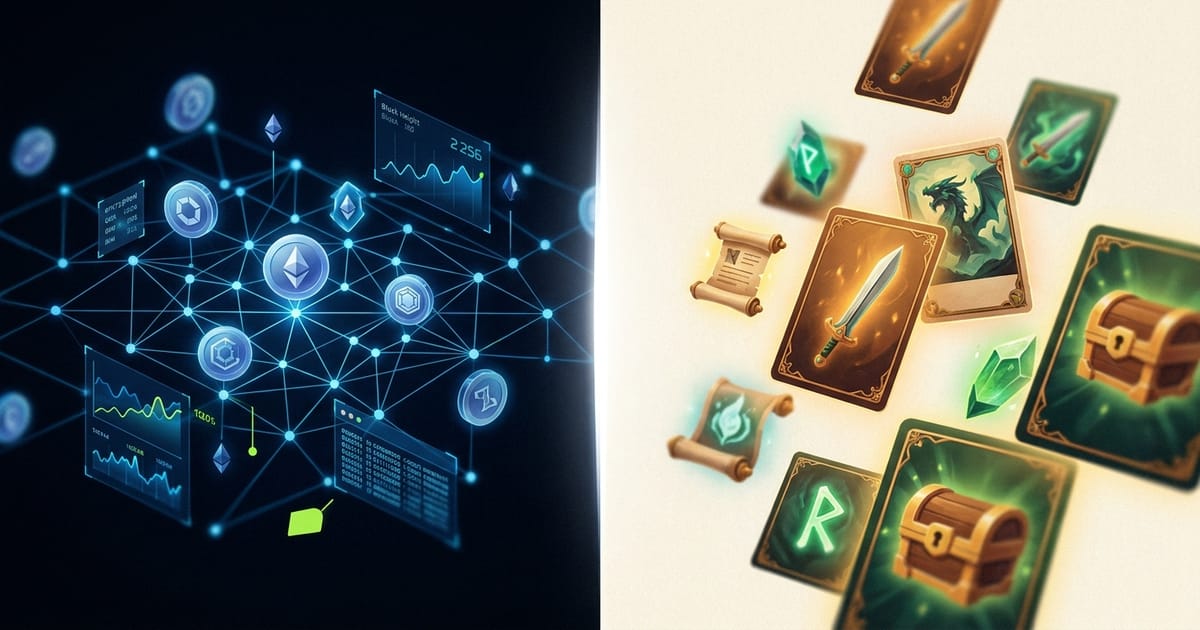
GameFi founders sit at the intersection of two press ecosystems that operate by completely different rules. Crypto-native outlets like Decrypt want tokenomics angles, on-chain metrics, and protocol-level differentiation. Gaming publications like IGN, PC Gamer, and Eurogamer want player experience, cultural hooks, and gameplay depth. Most projects send the same pitch to both lists and wonder why neither responds.
The context makes this harder. A Caladan analysis published in April 2026 found that more than 90% of GameFi projects are effectively dead after burning through an estimated $15 billion in venture capital, NFT sales, and token proceeds. Token prices across the sector have fallen roughly 95% from their 2022 peaks. Quarterly VC inflows to game studios have collapsed from $1.6 billion at the cycle peak to approximately $18 million. Gaming's share of crypto venture funding dropped from over 60% in 2022 to single digits by 2025.
That context sets the editorial environment. Journalists on both sides of the fence have been burned by hype cycles. They've covered projects that raised tens of millions, shipped nothing, and left players holding worthless tokens. Getting coverage in 2026 means proving you're not another footnote in that story. And proving it differently depending on who you're talking to.
Why the Dual-Audience Problem Is Getting Worse
Crypto and gaming journalists share a newsroom problem: too many pitches, too little differentiation.
A 2024 survey of game journalists (including staff from Eurogamer, Kotaku, CNET, and IGN) found that 87% were unlikely or very unlikely to cover blockchain games in the near term. The sentiment driving that skepticism isn't ignorance; it's a pattern recognition response. Journalists who have watched multiple NFT gaming studios promise AAA experiences, collect mint revenue, and deliver nothing have calibrated their filters accordingly.
The mainstream gaming press will now typically cover blockchain games only when there's a major-studio angle, a genuine industry trend story, or a player experience worth writing about on its own merits regardless of the token layer. The blockchain angle is almost never the lead.
On the crypto side, the dynamic is inverted. Decrypt, CoinDesk's gaming coverage, and The Block's consumer dApp beat actively want GameFi stories. But they want verifiable metrics. On-chain daily active wallets, NFT trading volume, token holder counts, and real retention data. Vague claims about "revolutionizing digital ownership" without numbers to anchor them get deleted before the second sentence.
The core mistake most GameFi founders make is treating these two audiences as a single list with a single message. The path forward is running two distinct narratives simultaneously, engineered to converge at specific milestones.
The Editorial Difference: What Each Beat Actually Wants
What crypto-native outlets want from GameFi pitches:
On-chain metrics with context. Not just "we have 50,000 wallets" but "50,000 wallets with a 30-day retention rate of 38%, which compares favorably to sector median." Journalists at crypto outlets know how to pull DappRadar data themselves. Your pitch needs to tell them something they couldn't easily surface alone.
Tokenomics differentiation. Why is your token model not a death spiral? What's the sink mechanism? How does your economic design differ from the P2E wave that printed tokens into oblivion? The lesson the sector learned the hard way: play-to-earn economies failed when token supply was inflationary and player growth slowed. Your pitch should demonstrate you've internalized that.
Ecosystem hooks. Which chain are you building on and why? Is there a Layer 2 angle, a chain-specific grant, or an ecosystem launch that creates a news peg beyond your own announcement?
Protocol-level narrative. For outlets like Decrypt and The Block, you're competing with DeFi protocols, L1 launches, and institutional crypto adoption stories. Gaming has to fight for column space, which means your hook needs to be structural, not cosmetic.
What mainstream gaming outlets want from GameFi pitches:
Gameplay first, blockchain second. Game journalists care whether the game is fun. If your press kit leads with "our token has a 5% buyback mechanism," you've already lost the pitch. The blockchain layer should be buried in paragraph four, not the headline.
Player stories. What does a real player experience look like in your game? Who are they, what do they accomplish, and why does the on-chain ownership layer make the experience meaningfully better rather than just financially different?
Industry trend angles. Gaming journalists who won't cover a project announcement will cover a trend story. "Why blockchain gaming lost the plot and what the survivors are doing differently" is a story IGN might run. Being the articulate founder who explains the industry's failures and positions your project as the lesson learned is a far better entry point than pitching your whitepaper.
Design and production credentials. Who on the team has shipped a game before? What's the production pipeline? AAA-adjacent credentials matter to gaming press in a way they don't to crypto press.
The Pitch Architecture: Building Two Narratives That Converge
The most effective GameFi PR campaigns don't run a single message. They run parallel narratives designed for each audience, with deliberate convergence points at milestones.
The crypto narrative centers on economic architecture and on-chain proof. This is your DappRadar story, your wallet growth story, your tokenomics story. It's grounded in verifiable chain data and protocol differentiation. When you're ready to engage Decrypt or The Block, you're offering something specific: a metric journalists can verify, an on-chain trend they can chart, or an exclusive data set that tells a sector story.
The gaming narrative centers on experience and cultural stakes. This is your player story, your design philosophy story, your "what happens when you actually play this" story. When you're pitching gaming press, the word "blockchain" should ideally not appear until you've already hooked the journalist on what makes the game worth playing for 30 minutes.
The convergence point is a milestone that's meaningful to both audiences simultaneously: a mainnet launch with simultaneous player count and on-chain data disclosure, a major partnership with a recognizable gaming brand, or a verified player retention metric that would be notable in any gaming context, not just Web3.
Sequencing: From Testnet to Token Launch
The failure mode in GameFi PR is treating the token launch as the only event that matters. That produces a single spike of coverage followed by silence, and in the current environment, it often produces skepticism rather than excitement.
Pre-testnet (months 6 to 12 before launch): This is the period for thought leadership, not product pitches. Your founders should be writing bylined commentary for crypto outlets about what went wrong in the last GameFi cycle and what sustainable game economics actually look like. You're not pitching a product. You're establishing credibility. Journalists have long memories. Being the founder they quoted in a think piece six months ago is worth more than a cold pitch when you're ready to launch.
Testnet phase: This is your first data story. What do your early metrics look like? Even a closed beta with controlled player counts gives you something verifiable: session duration, retention curves, on-chain transaction patterns. For crypto press, testnet data is a story. For gaming press, playtest reactions and any notable player experiences can anchor a preview angle.
Early access and soft launch: This is where you split the pitch strategy most explicitly. For crypto outlets, you're pitching the tokenomics announcement with supporting on-chain data. For gaming outlets, you're pitching a hands-on preview opportunity. Access to the game, not the token. The blockchain layer can surface in the preview, but the review frame is "is this worth playing," not "is this token a good investment."
Token launch and TGE: By the time you reach TGE, you want journalists who already know your story. The worst token launch PR is a cold pitch two weeks before the event. The best is a journalist who has already written about your testnet data, your design philosophy, or your founder's perspective on the sector, and now has context to cover the launch with authority.
Post-launch: The projects that build sustained earned media rather than a launch spike have something to report every 60 to 90 days. A new on-chain metric milestone. A player community story. A feature update that changes the game meaningfully. GameFi PR is not an event; it's a recurring editorial relationship with both press ecosystems.
Reactive Commentary: The Fastest Path to Both Desks
One of the most underused tactics in GameFi PR is reactive commentary around industry news cycles.
The April 2026 Caladan report, which showed that 93% of Web3 gaming projects are now effectively dead with token prices down 95% from peaks, generated a wave of coverage across both crypto and gaming press. Founders who had already established relationships with journalists at CoinDesk, Decrypt, and GamesBeat were able to insert themselves into that story as expert commentators. The ones who hadn't built those relationships watched the news cycle pass.
When a major Web3 game shuts down, when a token collapses, when a traditional gaming giant announces a blockchain-adjacent product, or when a sector data report drops, there is a 24 to 72-hour window where a well-positioned GameFi founder can earn coverage without any announcement of their own. You don't need news; you need a credible perspective on someone else's news.
The mechanics are straightforward: maintain a running list of journalists covering your beat at both crypto and gaming outlets, monitor their recent work, and have a media-trained spokesperson who can deliver a quotable take on sector news within hours. Short pitches, two to three sentences that offer a specific perspective, reference the journalist's recent coverage, and make clear you're available immediately, convert far better than polished press releases in reactive windows.
What the Survivors Are Doing Differently
The GameFi projects that have earned coverage across both press ecosystems in 2026 share a few structural characteristics worth noting.
They lead with the game. Projects like Off the Grid built earned media by being worth playing. Launching on Steam and reaching traditional audiences before the crypto press had finished writing the sector's obituary, the blockchain layer was a feature of a game that could be evaluated on gameplay terms first.
They treat blockchain as infrastructure, not identity. The projects still running after the shakeout rebuilt their economies around play-and-own models where players earn tradable assets with genuine in-game utility. Token emissions that require infinite new entrants to sustain value are gone. That shift in product philosophy creates a shift in how you tell the story: ownership and experience replace speculation and yield.
They make the crypto layer quiet for mainstream audiences. Embedded wallets that eliminate the onboarding friction of wallet creation and seed phrases. Transactions that happen invisibly. Players who own assets without being required to understand what a wallet is. If your pitch to a gaming journalist requires explaining blockchain first, you've already lost the thread.
The Practical Checklist
Before pitching either press ecosystem, run your assets against these questions.
For crypto-native outlets: Do you have on-chain metrics you can verify and contextualize against sector benchmarks? Can you explain your tokenomics architecture in two paragraphs without using the phrase "utility token"? Is there an ecosystem or chain-level angle that makes the story bigger than just your project? Do you have an exclusive data set, announcement, or milestone that gives the journalist something to own?
For mainstream gaming outlets: Can you explain why someone who doesn't care about crypto would want to play your game for 30 minutes? Do you have gameplay footage or hands-on access you can provide before publication? Do you have a production credential or recognizable team background that establishes gaming legitimacy? Is your pitch framed around a player experience, a design philosophy, or an industry trend, rather than a financial opportunity?
If you can answer yes to both sets of questions, you have a dual-audience story. If you can only answer one set, run the pitch to the outlet that fits and do the product work to earn the other press ecosystem later.
The GameFi projects that build sustained earned media don't do it with better PR. They do it by building something genuinely worth covering in two different registers simultaneously, and then sequencing their press strategy to match what they've actually built.
That's the playbook. The only shortcut is skipping the part where you build the game.